













Discover six Sikh teachers and religious personalities associated with Jian, Kaharpur, Harkhowal, Kandowal and Harian Belan. The profiles explain connections through birthplace, spiritual teaching, education and institutions. Read about Sant Hari Singh Kaharpuri, Sant Harnam Singh of Jian, Sant Jawala Singh, Sant Jagjit Singh, Sant Baba Bhag Singh and Baba Nihal Singh.
Sikh teaching · Religious centres
From Jian to Harkhowal and Harian Belan
Six profiles trace Hoshiarpur’s connections with spiritual instruction, rural education and Sikh institutions.

Sant Hari Singh Ji Kaharpuri
Hoshiarpur connection: Jian, Kaharpur and rural educational institutions in Hoshiarpur district.
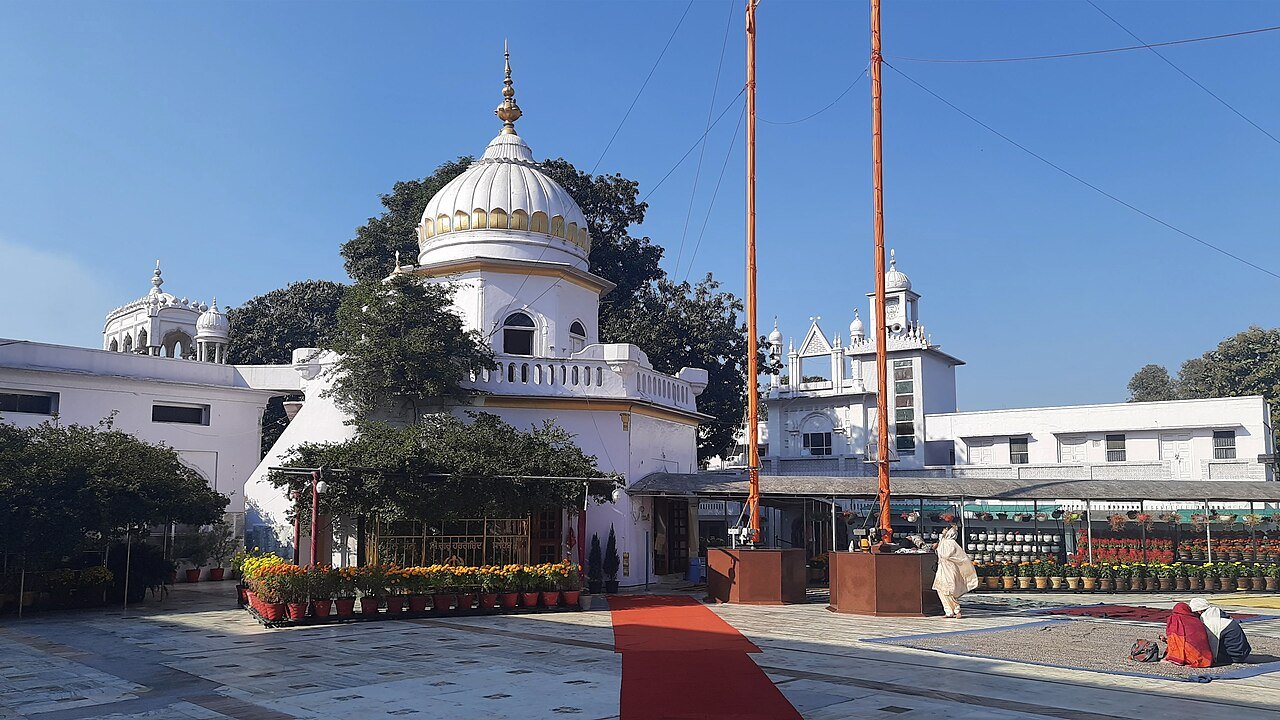
Born in Jian in 1888, Sant Hari Singh Kaharpuri combined religious preaching and langar with support for rural education. He established a dera near Kaharpur in 1913. Schools associated with his work included institutions at Jian, Nasrala, Kukkar Bariari and Mahilpur. He is also remembered for work at Takht Sri Kesgarh Sahib. His story connects the district’s village life with both learning and a wider Sikh religious landscape.
Sant Baba Harnam Singh Ji, Jian
Hoshiarpur connection: Jian village, Hoshiarpur district.
Sant Harnam Singh of Jian appears in the recorded life of Sant Hari Singh Kaharpuri as an important spiritual influence. The account notes their shared village connection and army service. His inclusion here rests on that documented relationship and local association. He must be distinguished from Sant Baba Harnam Singh Ji Rampur Khera: their names are similar, but the places and biographical records identify different people.
Source: The Sikh Encyclopedia: account of Hari Singh Kaharpuri.
Sant Baba Jawala Singh Ji Harkhowal
Hoshiarpur connection: Lagari village and Dera Sant Garh, Harkhowal.
Born in Lagari in Hoshiarpur district, Sant Jawala Singh Ji is closely associated with Dera Sant Garh at Harkhowal. The district administration records him as its founder. Biographical accounts describe his transition from army service to religious life and his return to Doaba. Sources give different stages and dates for the centre’s development, so this introduction does not assign a single founding year. His enduring local connection is the Harkhowal institution.
Source: District Hoshiarpur: Dera Sant Garh.
Sant Baba Jagjit Singh Ji Harkhowal
Hoshiarpur connection: Association with the Harkhowal spiritual tradition.
Sant Baba Jagjit Singh Ji Harkhowal is identified by the Harkhowal institutional website as a teacher of Gurbani katha and Gurmat vichar. The site preserves recordings of discourses on Sikh scripture and religious literature. His connection in this directory is through the Harkhowal tradition; it is not a claim that he was born in Hoshiarpur or currently heads Dera Sant Garh. A fuller chronology requires further institutional confirmation.
Sant Baba Bhag Singh Ji
Hoshiarpur connection: Kandowal village near Mahilpur, Hoshiarpur district.
Research on the Nirmala tradition in Doaba records Sant Baba Bhag Singh’s birthplace as Kandowal, near Mahilpur. This village origin provides his direct Hoshiarpur connection. His name is also commemorated by educational institutions, including Sant Baba Bhag Singh University. The university is located in Jalandhar district; it should not be described as a Hoshiarpur campus. This profile distinguishes his local roots from the later geography of institutions bearing his name.
Source: Research thesis: The Contribution of Nirmala Sect in Doaba, 1849–2015.
Baba Nihal Singh Ji, Harian Belan
Hoshiarpur connection: Harian Belan and the Misal Shaheedan Tarna Dal tradition.
Baba Nihal Singh Ji is associated with Harian Belan’s Nihang tradition. The Shiromani Gurdwara Parbandhak Committee identifies him by this association in its account of a Central Sikh Museum ceremony. His profile connects Hoshiarpur’s religious heritage with a tradition that combines devotion, collective discipline and the preservation of Sikh martial identity. This introductory entry does not assign an unverified birthplace or a current office.
Source: SGPC: Central Sikh Museum ceremony.